
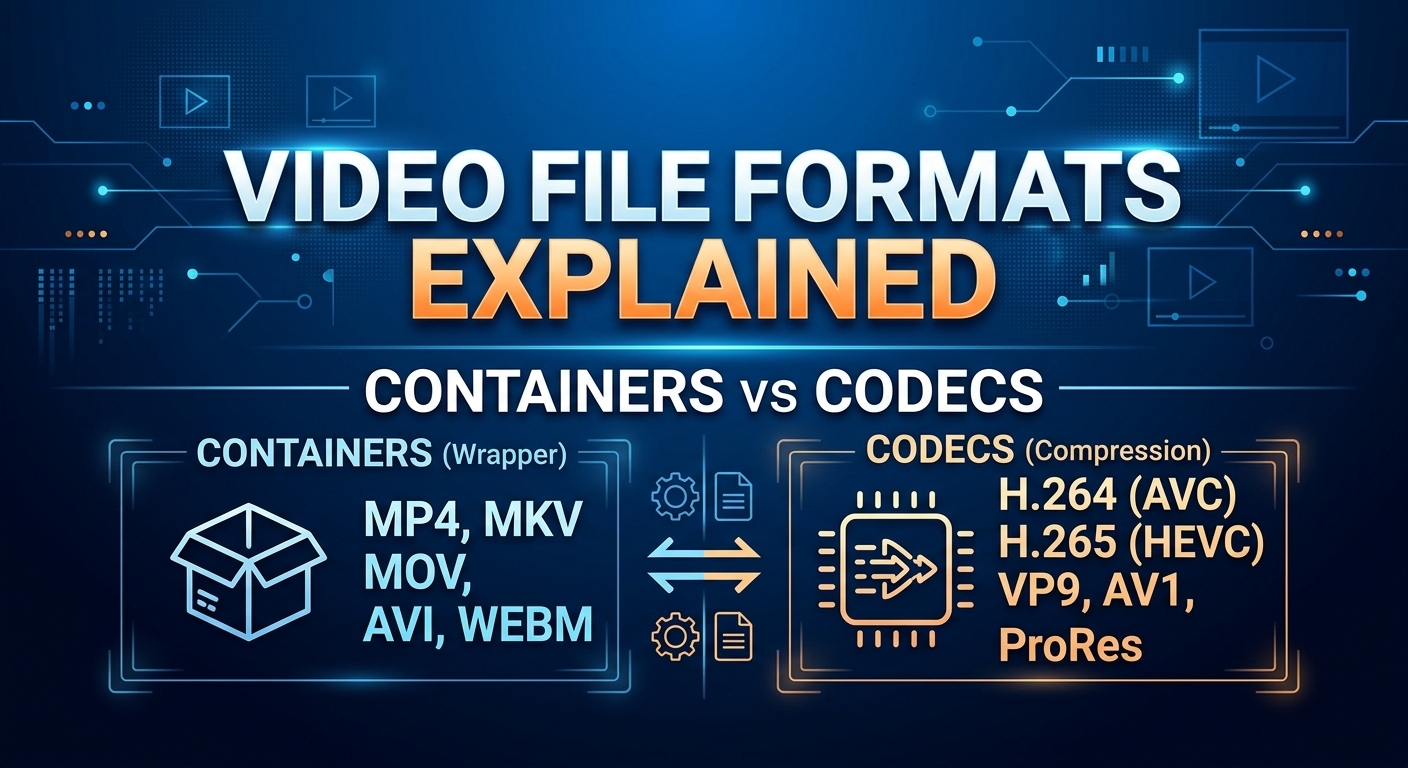
Video File Formats Explained: Containers vs Codecs
A video file is two independent decisions stacked together. The container (MP4, MKV, MOV, WebM, MPEG-TS) defines how ...
Vadym Borovskyi is Chief Product and Marketing Officer at BlazingCDN, where he has led product strategy and growth since 2021. He has more than 11 years of experience in IT product management and B2B marketing. On this blog he writes about CDN pricing and egress costs, video and software delivery, cache configuration, and how teams evaluate and switch CDN providers. He is based in Warsaw, Poland. (3)
A video file is two independent decisions stacked together. The container (MP4, MKV, MOV, WebM, MPEG-TS) defines how ...

Fastly origin shield has no separate line item on a Fastly invoice as of 2026. A shielded cache miss is billed as an ...
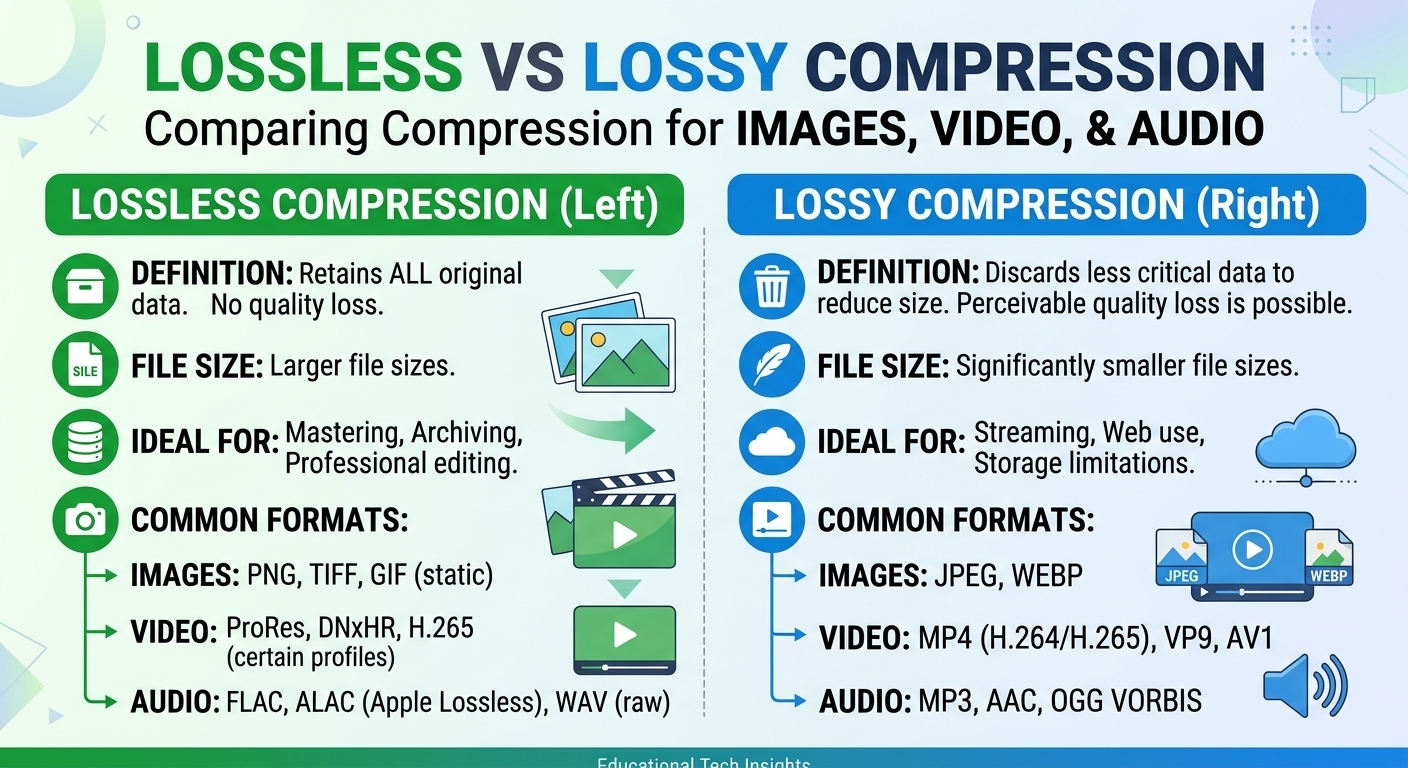
Lossy vs lossless compression comes down to one trade: lossless compression rebuilds every original bit and typically ...
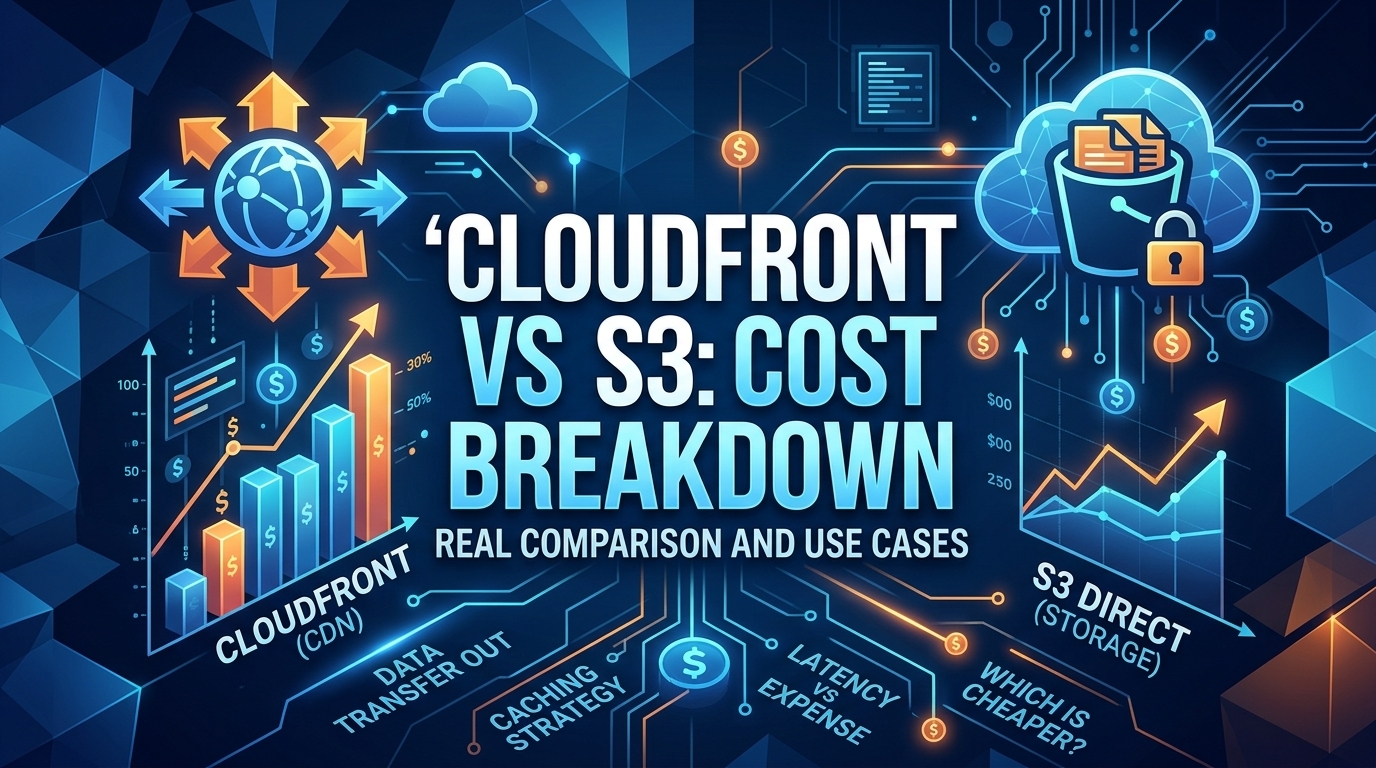
The CloudFront vs S3 decision depends more on object size than on traffic volume. At a 500 KB average response, 100 TB ...
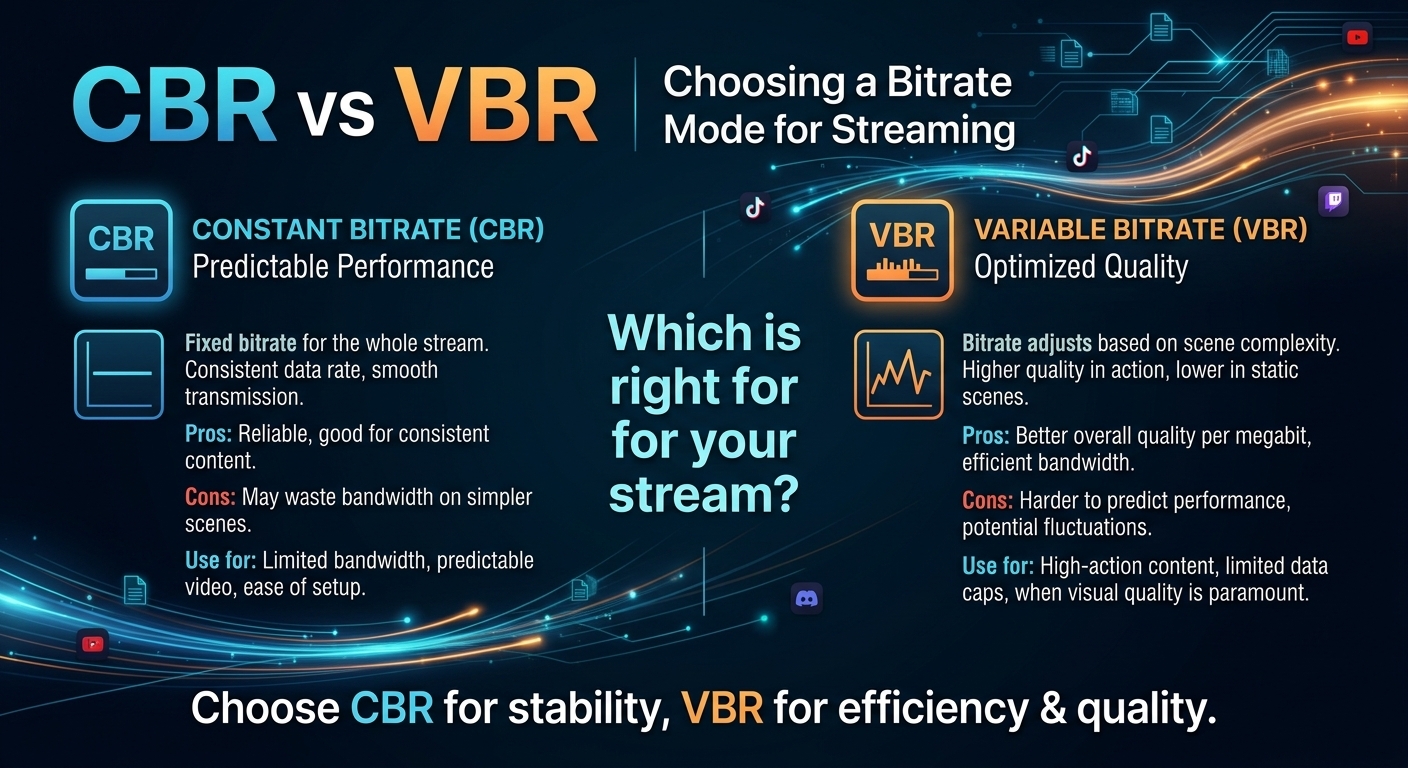
For most on-demand video, capped variable bitrate (VBR) wins the cbr vs vbr decision: it spends bits where the picture ...
As of October 2026, the Azure service that matches Amazon CloudFront is Azure Front Door Standard or Premium: Microsoft ...

In answer to what is a keyframe: a keyframe, or I-frame, is a video frame encoded without reference to any other frame, ...
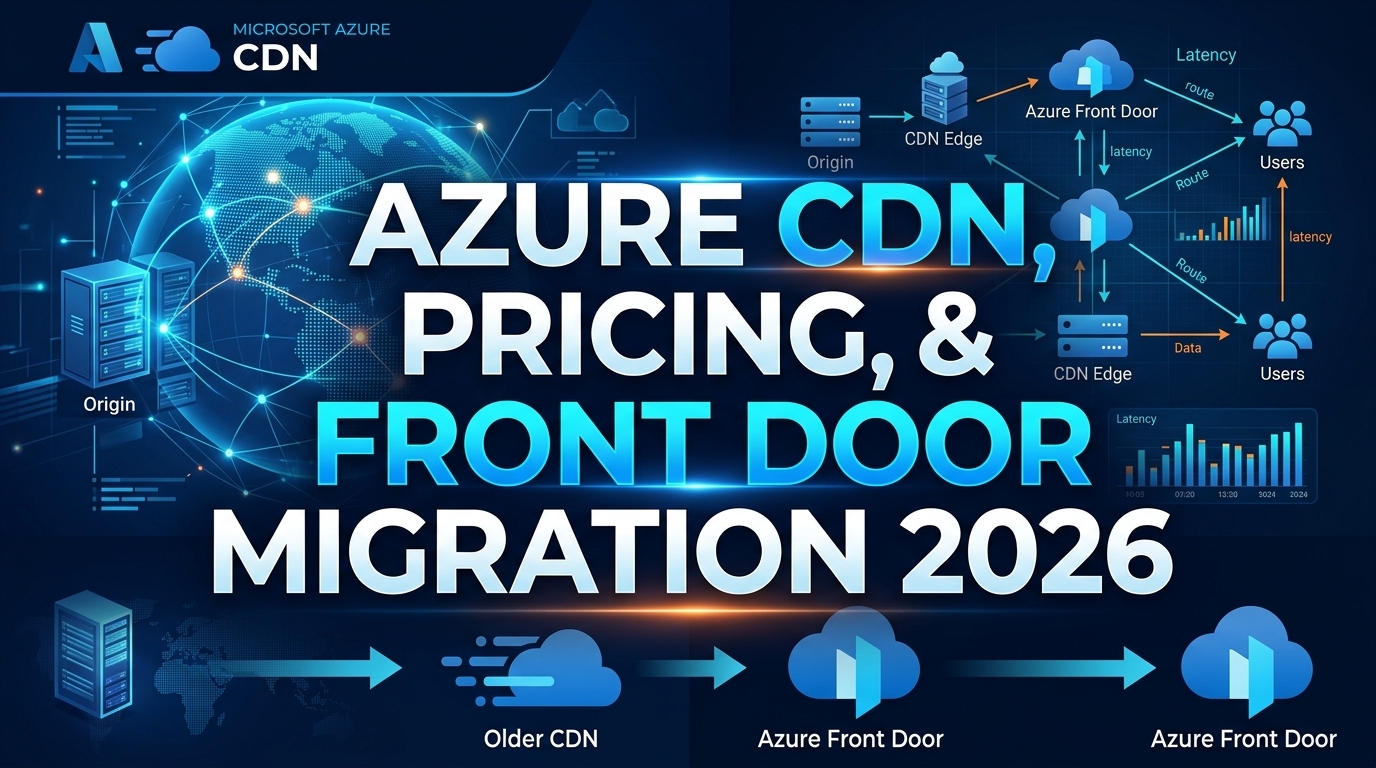
New Azure CDN deployments now go only one way: Microsoft stopped accepting new Azure CDN Standard from Microsoft ...
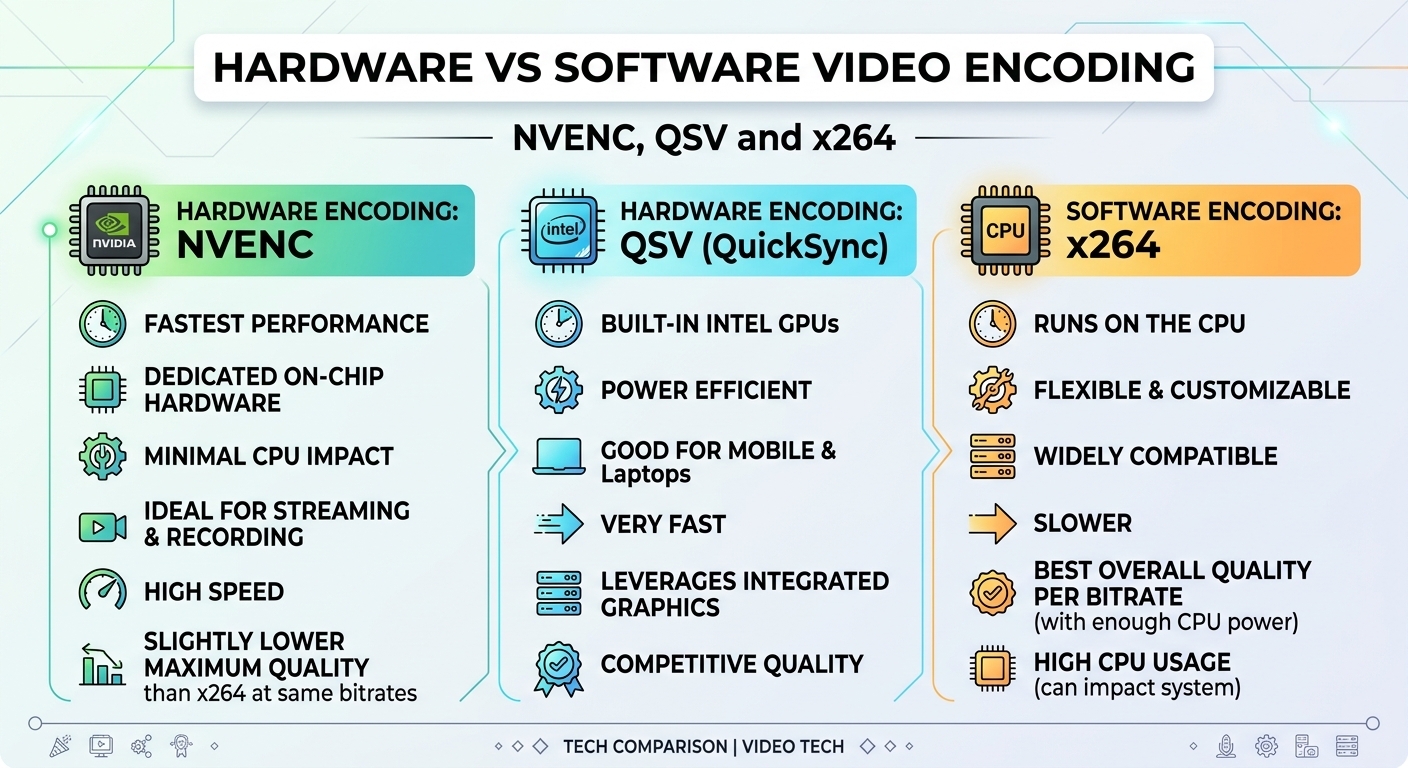
Evaluated October 2026: for live video, a modern GPU hardware encoder (NVIDIA NVENC on Turing or newer, Intel Quick ...

Cloudflare vs Akamai for enterprise usually comes down to operating model. As of October 2026, Akamai publishes no CDN ...