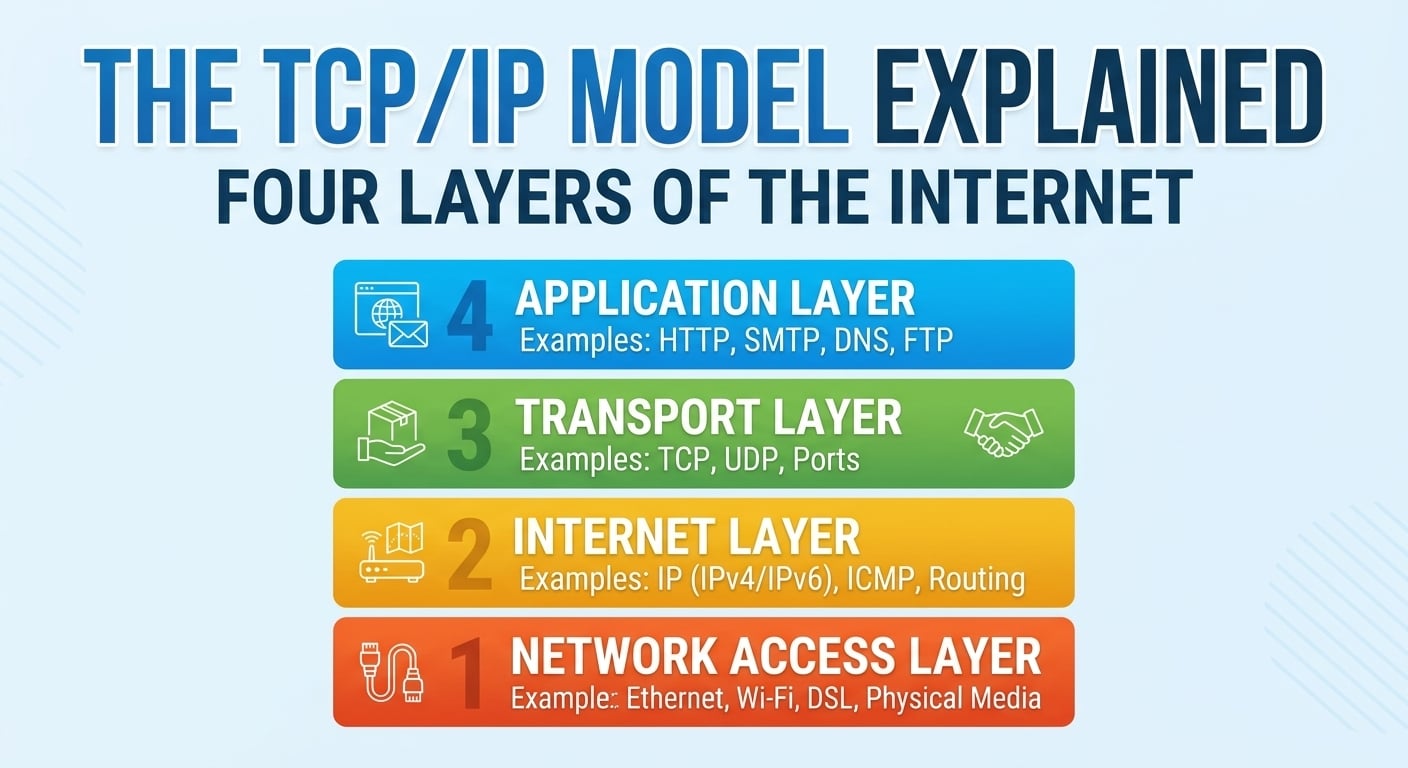
The TCP/IP Model Explained: Four Layers of the Internet
The TCP/IP model splits internet communication into four layers: link, internet, transport and application, as defined ...
Vadym Borovskyi is Chief Product and Marketing Officer at BlazingCDN, where he has led product strategy and growth since 2021. He has more than 11 years of experience in IT product management and B2B marketing. On this blog he writes about CDN pricing and egress costs, video and software delivery, cache configuration, and how teams evaluate and switch CDN providers. He is based in Warsaw, Poland. (5)
The TCP/IP model splits internet communication into four layers: link, internet, transport and application, as defined ...
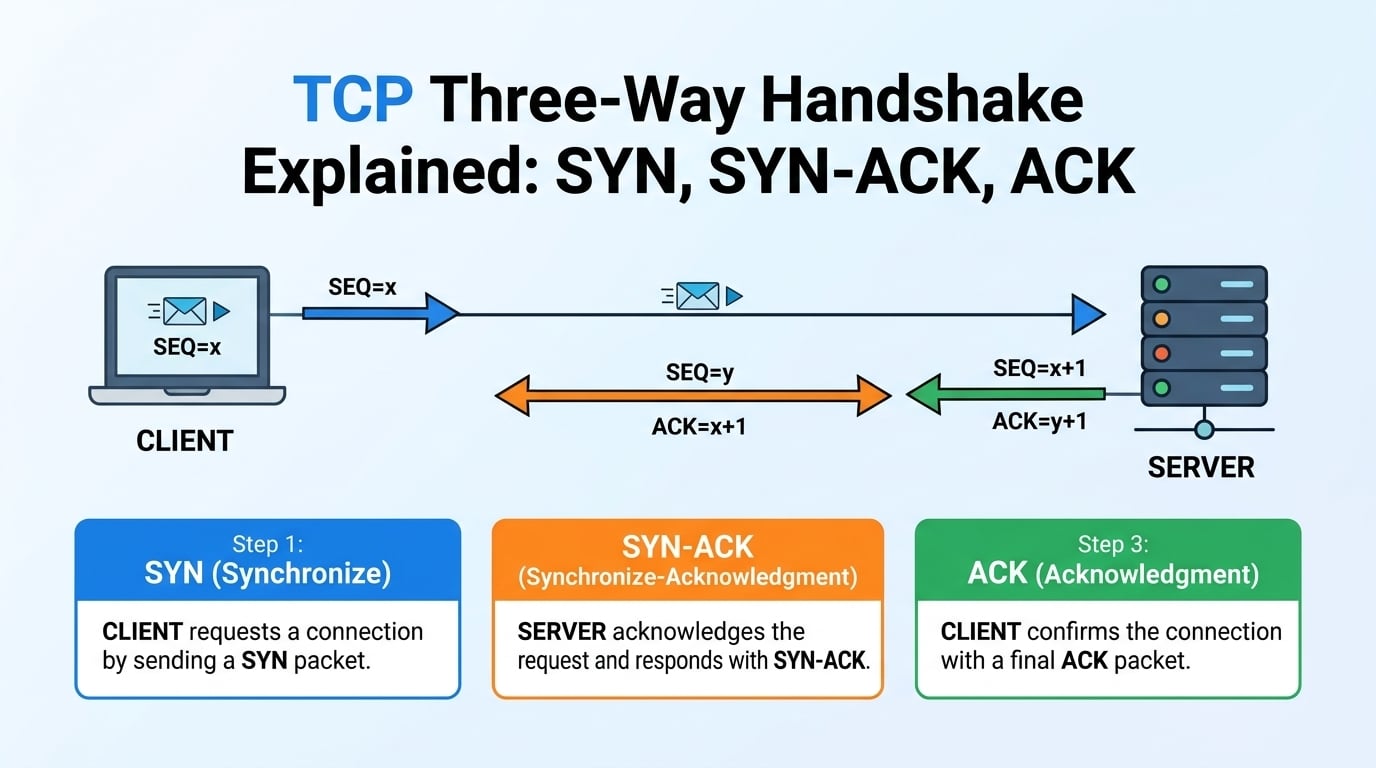
The 3 way handshake is the SYN, SYN-ACK, ACK exchange that opens every TCP connection, and it costs one full round trip ...
HTTP 3 (HTTP/3, RFC 9114) is the third major version of HTTP. It keeps HTTP semantics (methods, status codes, headers) ...
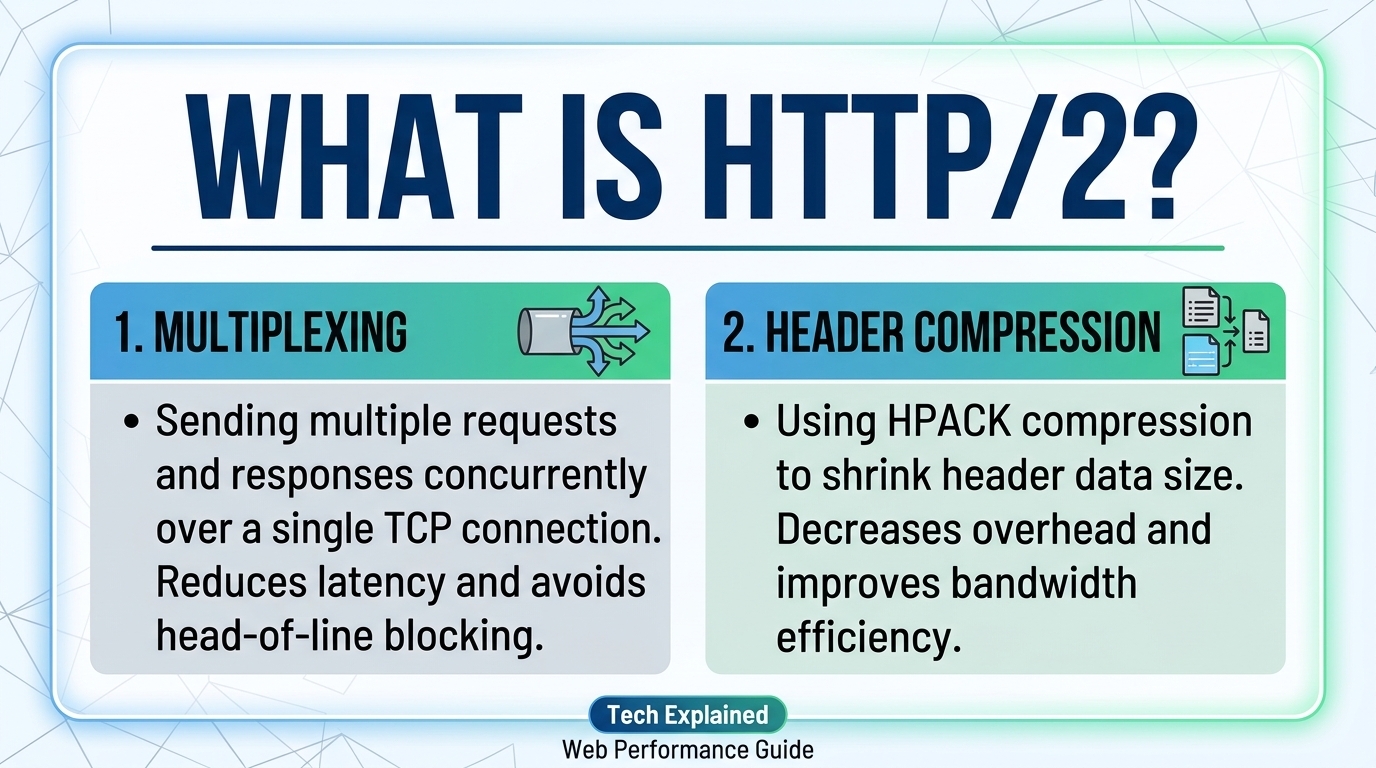
HTTP/2 is the second major version of HTTP. It keeps HTTP/1.1 semantics (methods, status codes, headers) but replaces ...
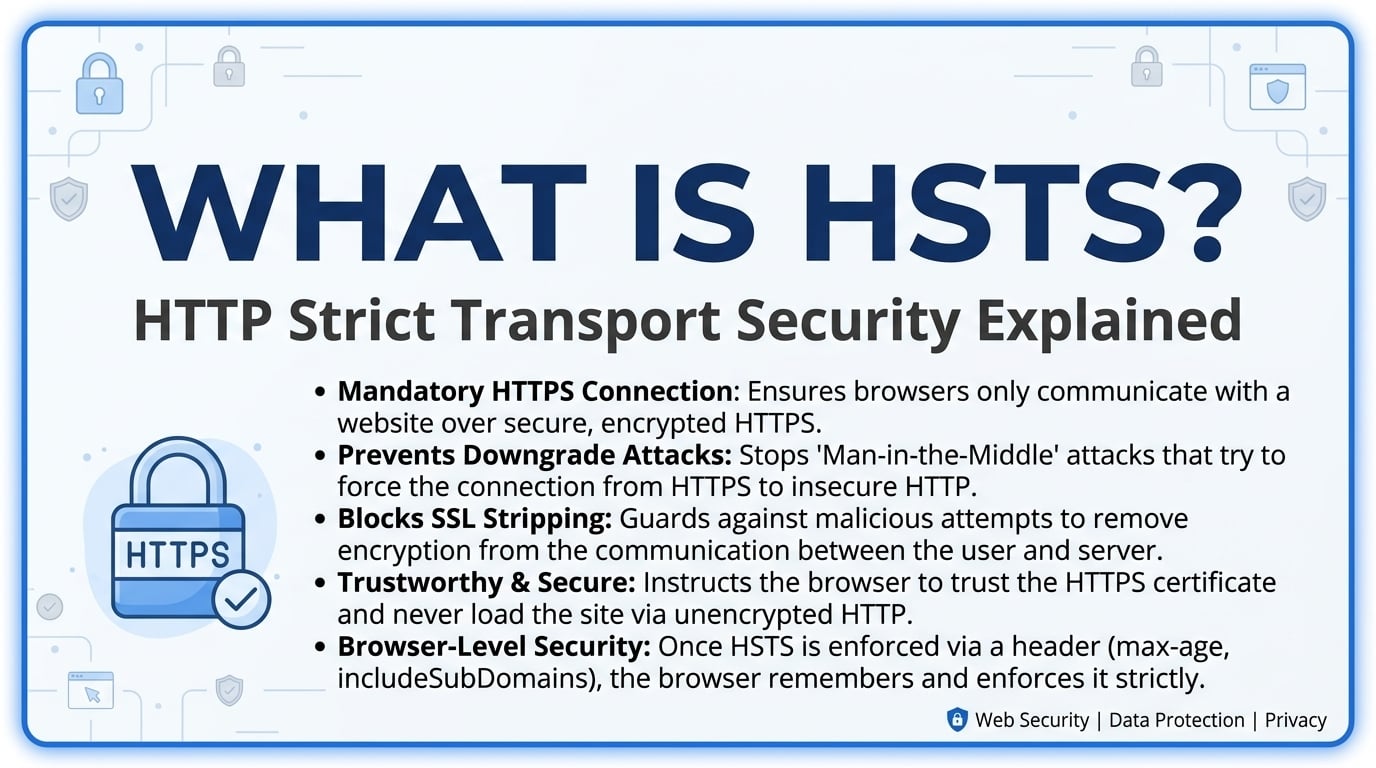
HSTS (HTTP Strict Transport Security) is a response header, Strict-Transport-Security, that tells a browser to contact ...
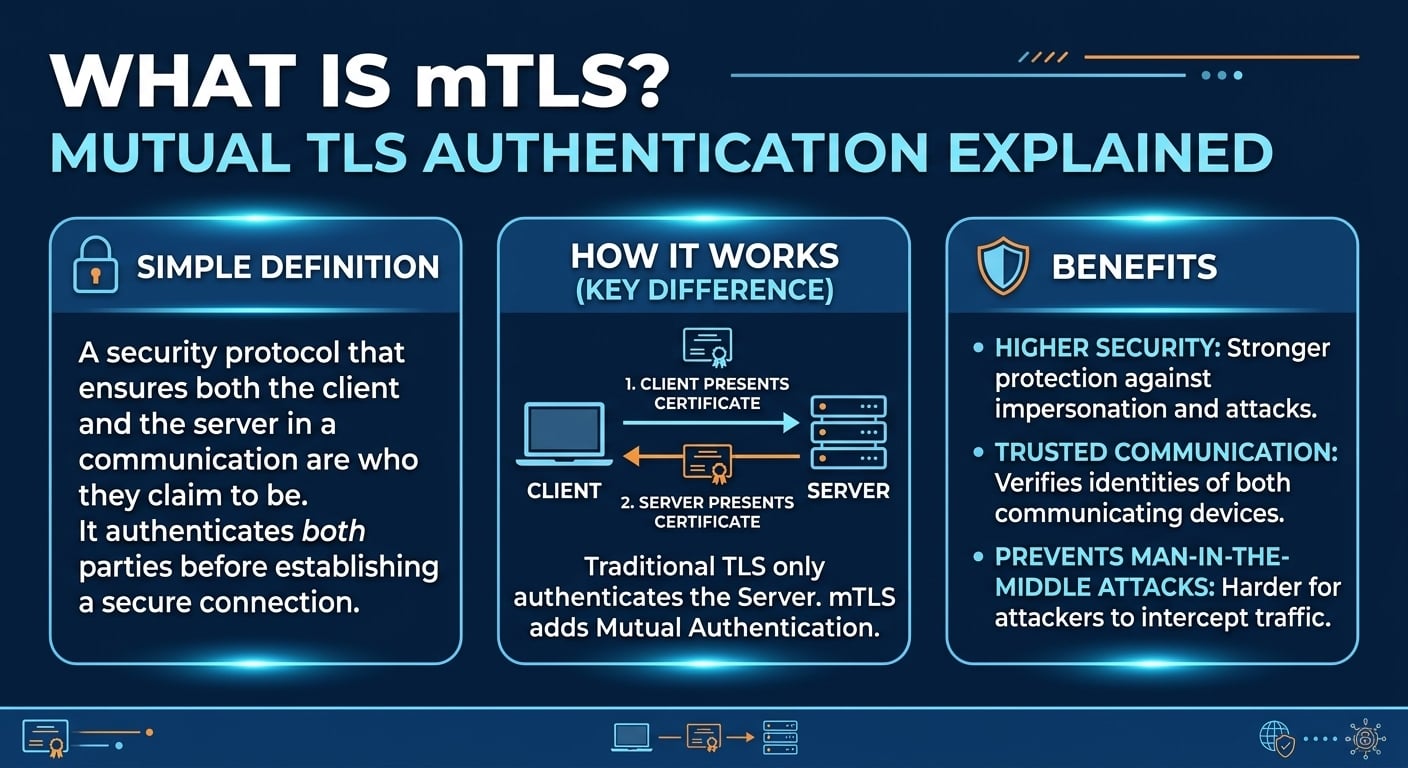
mTLS (mutual TLS) is a TLS mode in which both endpoints prove their identity with X.509 certificates: the server ...
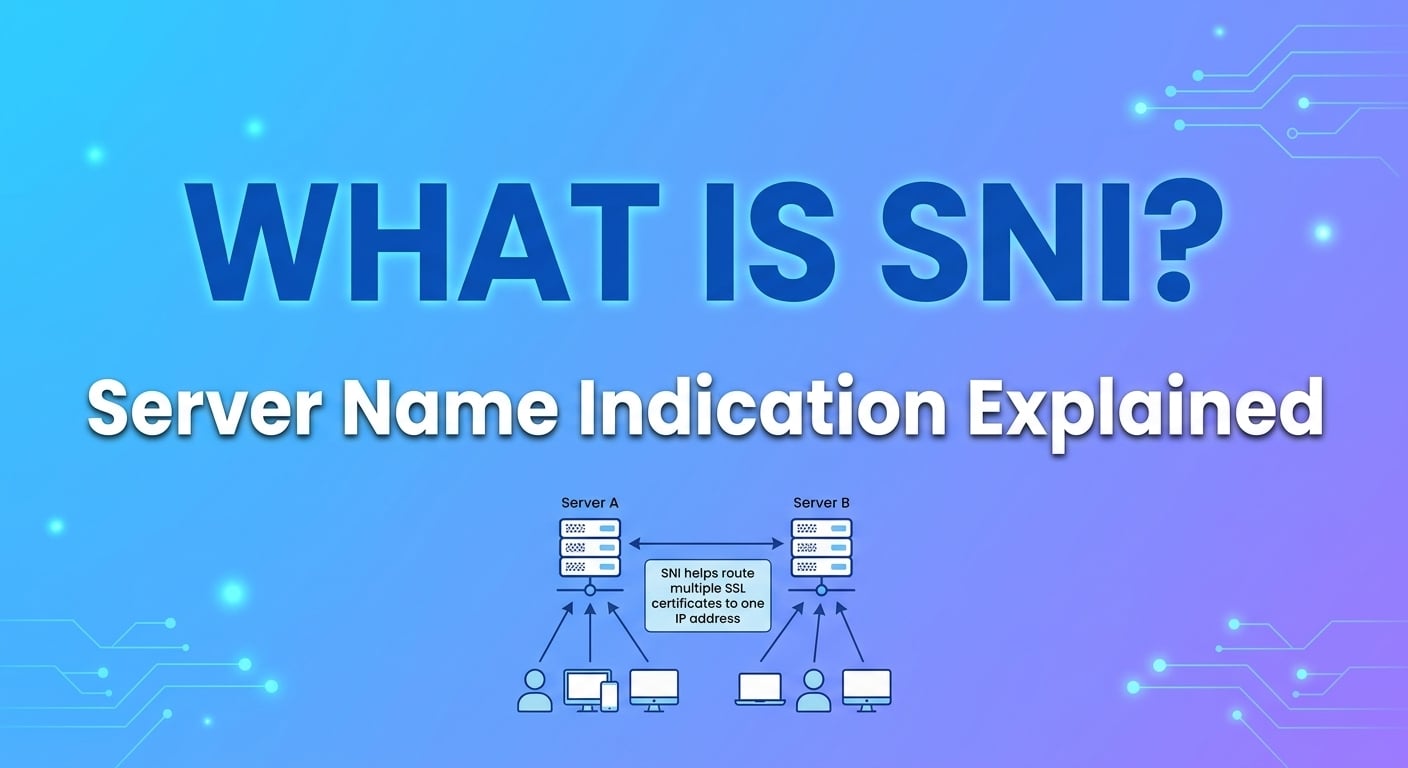
Server name indication (SNI) is a TLS extension in which the client writes the hostname it wants, such as ...
HTTP 503 Service Unavailable means the server, or a proxy in front of it, is temporarily refusing requests because it ...
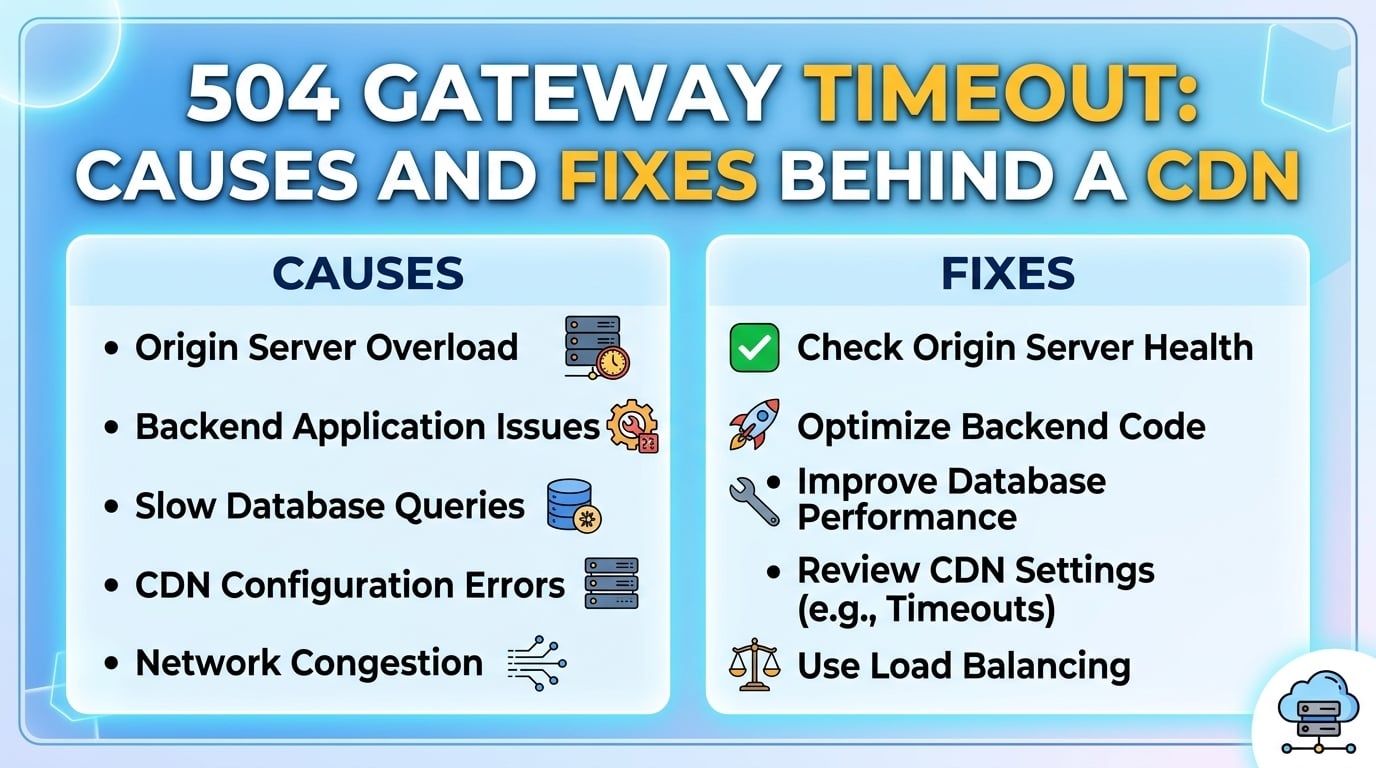
A 504 Gateway Timeout behind a CDN means one proxy in the chain (the CDN edge, an origin shield, a load balancer or a ...
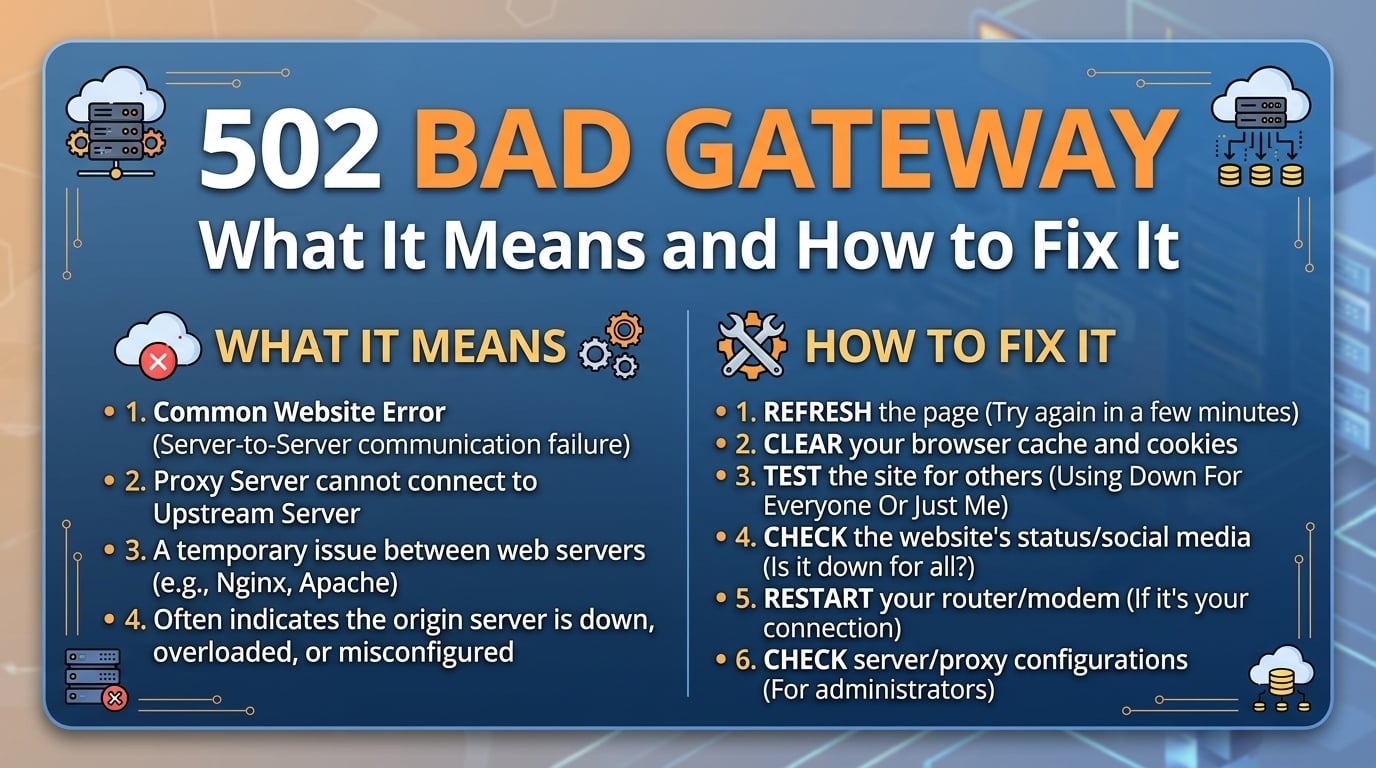
A 502 Bad Gateway means a proxy in your request path, such as nginx, a load balancer or a CDN edge, reached the next ...