
Learn
How a Multi-CDN Strategy Saved Us from Costly Downtime
In a recent survey, 60% of enterprises reported that a single hour of critical-application downtime costs them at least ...

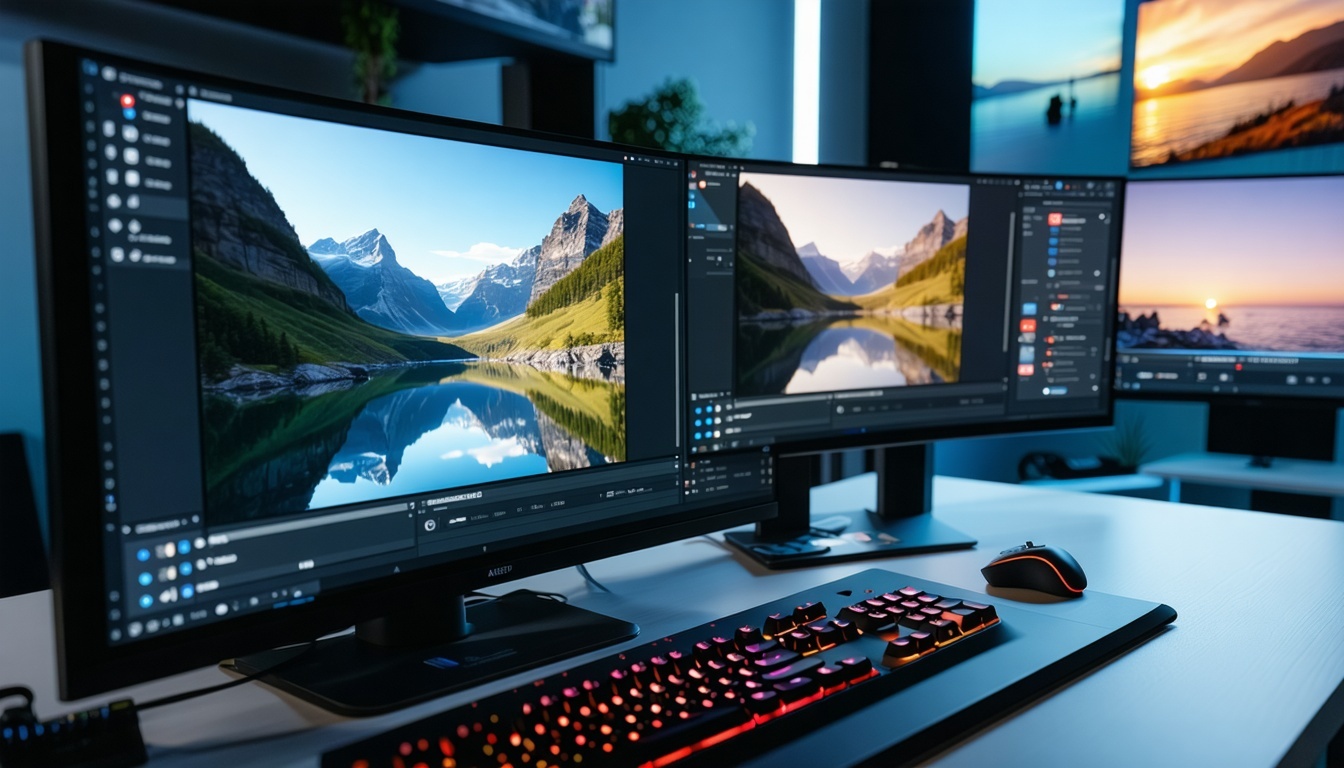
With 33.2 million pixels per frame, 8K video boasts four times the resolution of 4K. But it’s not just about more pixels: it’s about immersive experiences―from art galleries broadcasting virtual exhibits to financial firms running real-time, high-res dashboards across continents.
Industries from healthcare to sports broadcasting now compete on streaming fidelity. But behind these dazzling visuals lies a barely visible network transformation.
Recent top-ranking articles on 8K CDN optimization (including from Streaming Media, AWS for Media & Entertainment, and Akamai’s developer blog) reveal several recurring strategies and trends:
Successful players combine cloud scalability, programmable APIs, and multi-tier caching, all wrapped with bulletproof security. The next step: how to make it actionable for your org.
As 8K pushes bandwidth loads past 100 Mbps/user, legacy CDN architectures—centralized, with sparse PoPs—choke on demand spikes. Instead, modern strategies focus on:
Example: Major media networks such as Disney+ and YouTube deploy thousands of local caches to serve 8K video without saturating upstream networks—setting a blueprint for ambitious OTT, gaming, and enterprise video platforms.
For 8K video assets—often gigabytes per segment—unoptimized caching results in both higher cloud egress costs and greater user buffering. To mitigate:
Codec choice determines bitrate—and thus CDN cost. Support for next-gen codecs (AV1, VVC) trims required bandwidth by up to 40% versus legacy H.264, per Netflix Tech Blog. Protocols like HTTP/2, HTTP/3 (QUIC), and WebRTC further lower overheads and boost reliability. Smart CDN providers automate codec negotiation and protocol switching based on device and network conditions.
Adaptive bitrate streaming (ABR) ensures the best possible user experience by delivering the optimum codec and resolution per device/bandwidth. For 8K streams, low-latency HLS or CMAF is vital: keeping glass-to-glass latency (capture-to-playback) under 2 seconds for live sports or esports broadcasts. Unoptimized ABR can lead to costly rebuffering and plummeting user satisfaction.
Monitoring is no longer a ‘nice to have.’ Predictive analytics powered by AI/ML forecast traffic spikes, automate route changes, and pinpoint failed cache nodes before they impact streams. Combined with robust origin shielding, this provides both resilience and cost optimization.
| Metric | Recommended Threshold (8K) | Why it Matters |
|---|---|---|
| Average Bitrate | 65–120 Mbps | Ensures true 8K quality; lowers rebuffer risk |
| Startup Latency | <2 seconds | Prevents user drop-offs at session start |
| Rebuffering Ratio | <0.5% | Maintains user satisfaction |
| Cache Hit Ratio | >98% | Lowers CDN cost, speeds up response |
Monitoring and continuously optimizing these KPIs is critical as adoption grows and streams go global.
As enterprises and ambitious startups race to deploy 8K streaming, BlazingCDN stands out for several reasons:
Media, gaming, and SaaS enterprises can realize tangible outcomes—lower egress costs, sharper visuals, and happier end-users—by leveraging an optimized CDN attuned to 8K’s scale and complexity.
8K streaming isn’t a simple resolution jump—it’s a paradigm shift in how organizations deliver, protect, and monetize next-generation content. Every second you hesitate is a second your rivals cement user trust with crisp visuals, instant loads, and global reach. Whether you’re a media conglomerate, a SaaS innovator, or an esports giant, optimizing your CDN now is non-negotiable. What’s your big play in the 8K era? Share your challenges or successes below—let’s craft the ultimate 8K streaming roadmap together. For tailored solutions or to benchmark your infrastructure, contact our CDN experts today—your future audience is already watching.
Learn
In a recent survey, 60% of enterprises reported that a single hour of critical-application downtime costs them at least ...
Learn
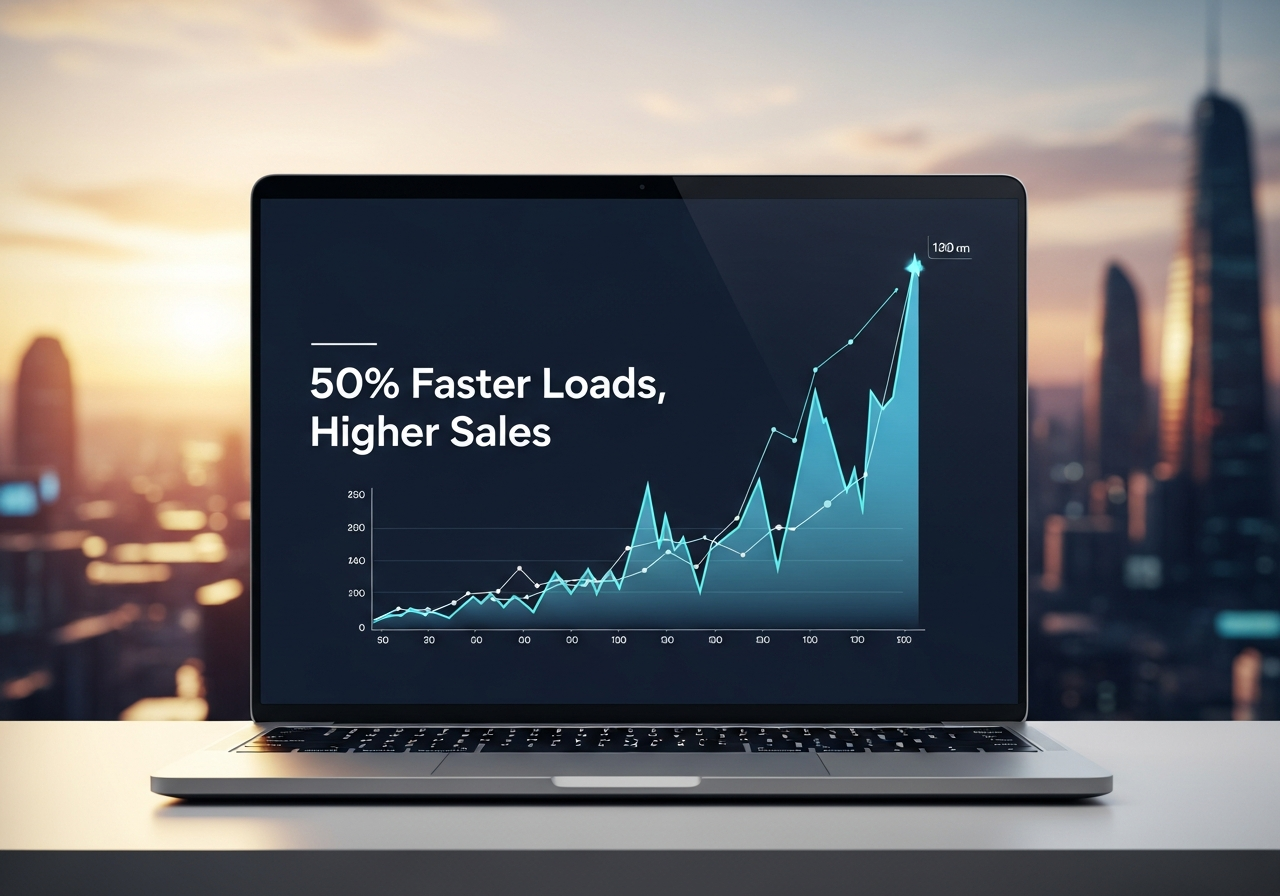
When Deloitte analyzed billions of user sessions for major retailers, they found that shaving just 0.1 seconds off ...
Learn
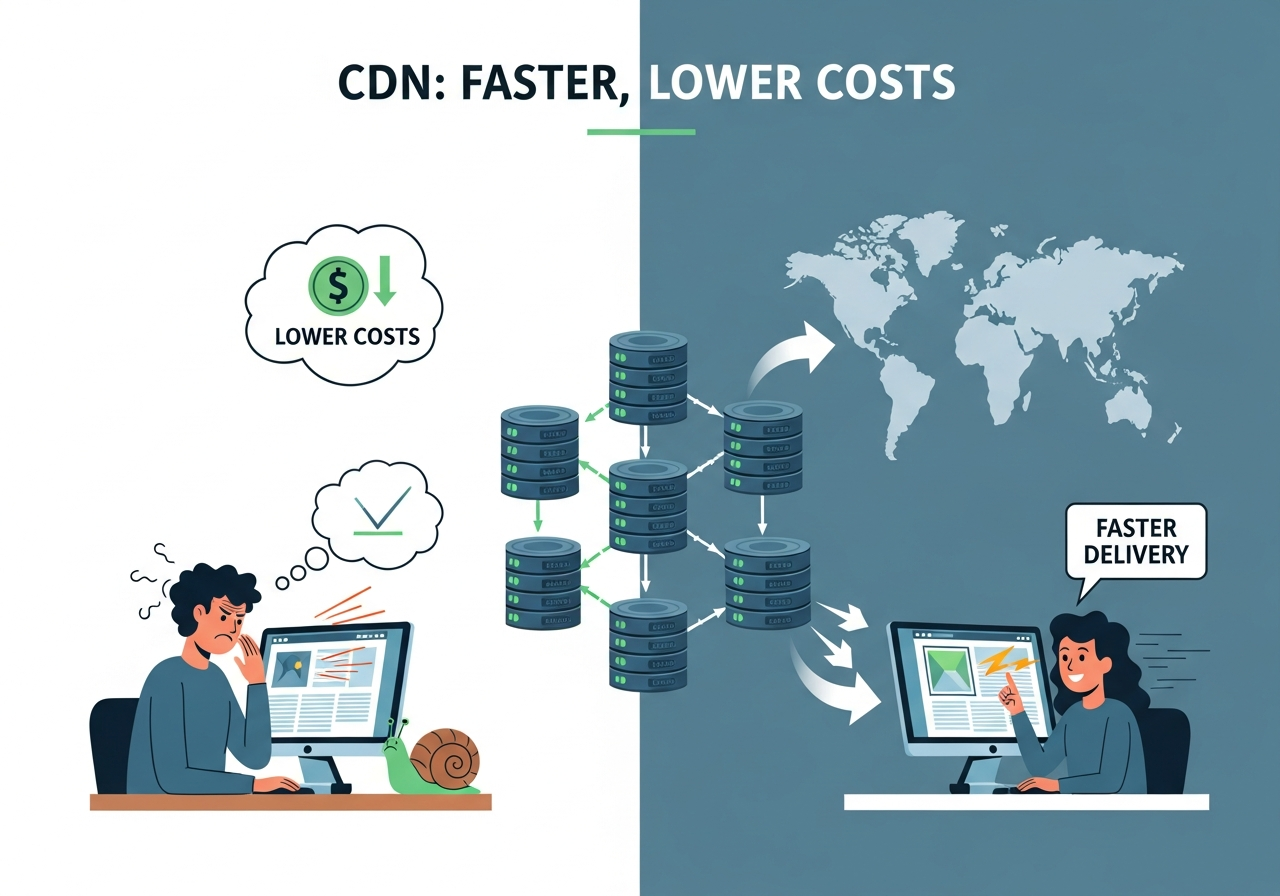
Every extra second your site takes to load can drop mobile conversions by up to 20%—that’s the stark finding from a ...