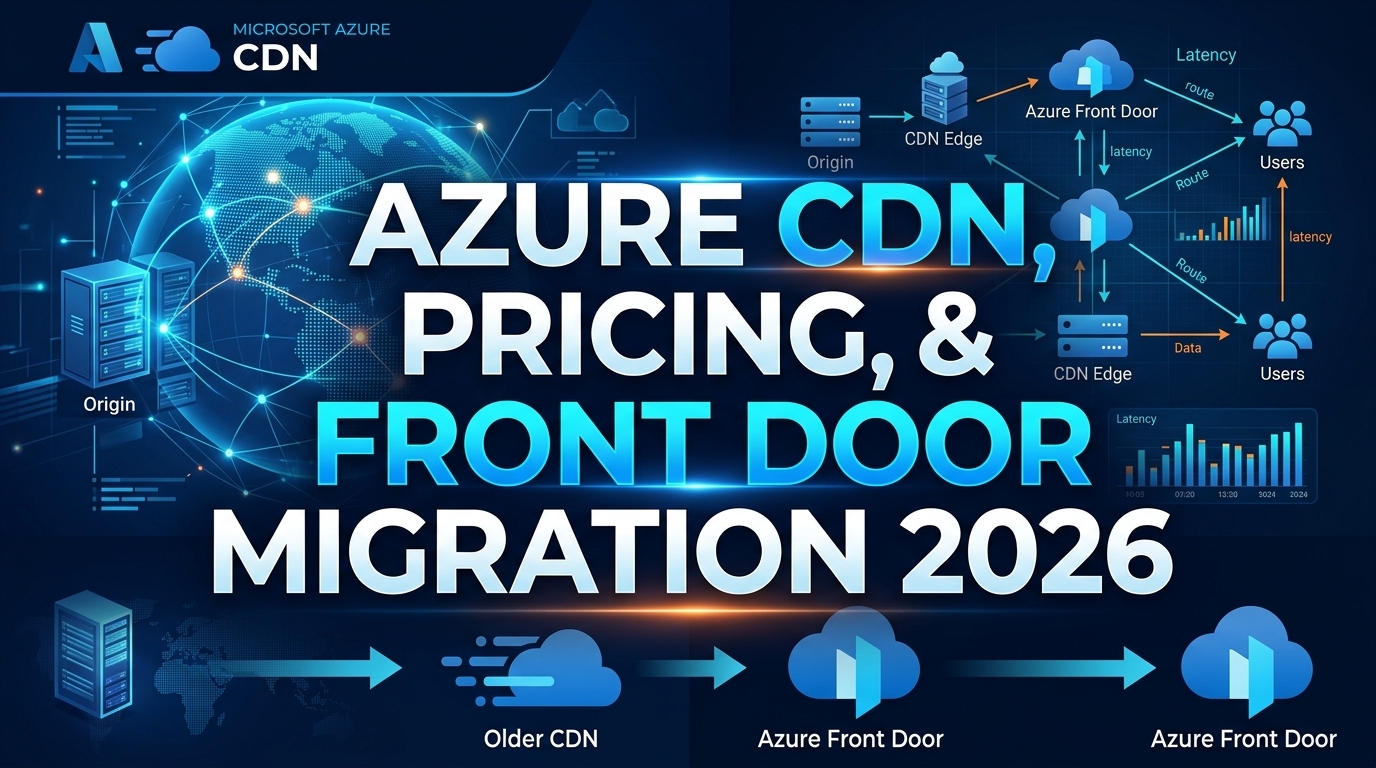
Imagine you're settled into your favorite chair, ready to stream the highly anticipated finale of a popular series. As the episode begins, it starts buffering. The dreaded ring appears, disrupting the immersion of the episode. For viewers, it's a minor annoyance, but for media companies, it's a significant concern. This brings us to the heart of the issue: the critical role of Content Delivery Network (CDN) infrastructure in the media and entertainment sector.
The Backbone of Seamless Streaming
CDNs form the backbone of seamless streaming experiences. By distributing content closer to the end-user, CDNs reduce latency, enhance load times, and ensure high availability. This is essential for media and entertainment companies that broadcast live events, release digital content, or offer streaming services. A robust CDN infrastructure provides the agility needed to handle vast amounts of data while maintaining superior performance. According to Forbes, the media and entertainment industry is projected to grow exponentially, with an increased reliance on digital infrastructures to support this expansion.
Scalability: Meeting Audience Demand
The media landscape is unpredictable. Viral content or unexpected surges in viewership can strain networks. A scalable CDN infrastructure allows media companies to adapt to these fluctuations effortlessly. CDNs like BlazingCDN offer dynamic scaling capabilities, ensuring your content is delivered smoothly regardless of spikes in demand. This flexibility is a game-changer, providing a buffer against downtime and ensuring a consistent quality of service.
Enhanced Security Measures
In an era where cyber threats are prevalent, safeguarding your content is paramount. CDNs offer enhanced security measures, protecting against Distributed Denial of Service (DDoS) attacks and content piracy. By leveraging CDNs, media companies can ensure their premium content is not only delivered efficiently but also securely. Features like secure token authentication, encryption, and robust firewall protection are integral components of a CDN’s security suite. It’s a proactive approach to content protection that keeps both data and brand integrity intact.
Optimization for Global Reach
Today’s media consumers are global, accessing content from different parts of the world. CDNs break geographical barriers by caching content in multiple locations worldwide, reducing the physical distance data must travel. This localized delivery boosts load speeds and enhances user experience regardless of the viewer’s location. Utilizing a globally distributed CDN like BlazingCDN ensures your media reaches an international audience with minimal delay. The company's infrastructure is designed for optimal performance, providing a competitive edge in the fast-paced world of media and entertainment.
Cost-Effectiveness and ROI
While the initial investment in CDN infrastructure might seem substantial, the long-term benefits and cost savings are significant. By preventing downtime, reducing bandwidth usage, and optimizing load times, CDNs offer a compelling return on investment. Media companies can allocate resources more efficiently, focusing on content creation and innovation rather than technical issues. Simplified billing models and competitive pricing, like BlazingCDN's $5 per TB rate, make CDNs an economical choice for sustained growth and profitability.
In conclusion, the media and entertainment sector thrives on delivering high-quality, seamless content to an ever-growing and demanding audience. From scalability and security to global reach and cost-effectiveness, CDN infrastructure is the linchpin that enables media companies to meet and exceed viewer expectations. Embracing robust CDN solutions like those offered by BlazingCDN can elevate your service, ensuring that your audience experiences nothing but the best, buffer-free entertainment. Explore how BlazingCDN can transform your media delivery at BlazingCDN Solutions for Media Companies.
Engage with us in the comments, share this article on social media, and visit our related pages to discover more about optimizing your media delivery infrastructure.