Did you know that on the launch day of a major game title, network traffic can surge by over 800% within minutes? According to data from Akamai’s 2020 State of Internet report, gaming accounted for the most traffic per user in any digital sector during game patch or release days—often overwhelming poorly prepared infrastructure. Game publishers can't afford downtime or lag on the most important day of their product lifecycle. That’s where a robust Streaming CDN infrastructure steps in as the lifeline of digital game launches.
Understanding the Unique Demands of Game Launches
When AAA game titles hit the market, excitement isn’t confined to the digital storefront. It spills over into data centers, ISPs, and servers across the globe. Millions of gamers—often simultaneously—initiate downloads spanning 80GB+, push patching servers to their limits, and launch graphics-intensive streams. This convergence of download demand and stream consumption presents a unique cocktail of challenges:
- Explosive Bandwidth Demand: Games like Call of Duty: Warzone saw over 60 million downloads in the first 60 days. Multiply that by regional and device variations, and the scalability requirements escalate fast.
- Instantaneous Global Traffic: Unlike a TV show that gradually gains viewership, game downloads and streams hit hard and fast—often across multiple continents simultaneously.
- Streamed Gameplay and Updates: Gamers today aren’t just playing—they’re uploading gameplay, engaging on Twitch, or watching tutorials on YouTube. Each of those use cases increases the strain on infrastructure.
So the core question becomes: How do you maintain performance, stability, and cost-efficiency during this critical moment?
The Role of Streaming CDNs in Game Distribution
A Streaming Content Delivery Network (CDN) is engineered to optimize the delivery of rich media, including high-resolution gameplay videos, seamless livestreams, and massive game files—all under tremendous demand. Unlike traditional CDNs, Streaming CDNs buffer, pre-fetch, and cache intelligently at edge locations to reduce latency and increase throughput for HD/4K content and large binaries required by modern games.
Streaming CDN Capabilities That Matter Most for Game Launches
- Edge Caching: Reduces the load on origin servers by keeping updated content close to the user’s geolocation.
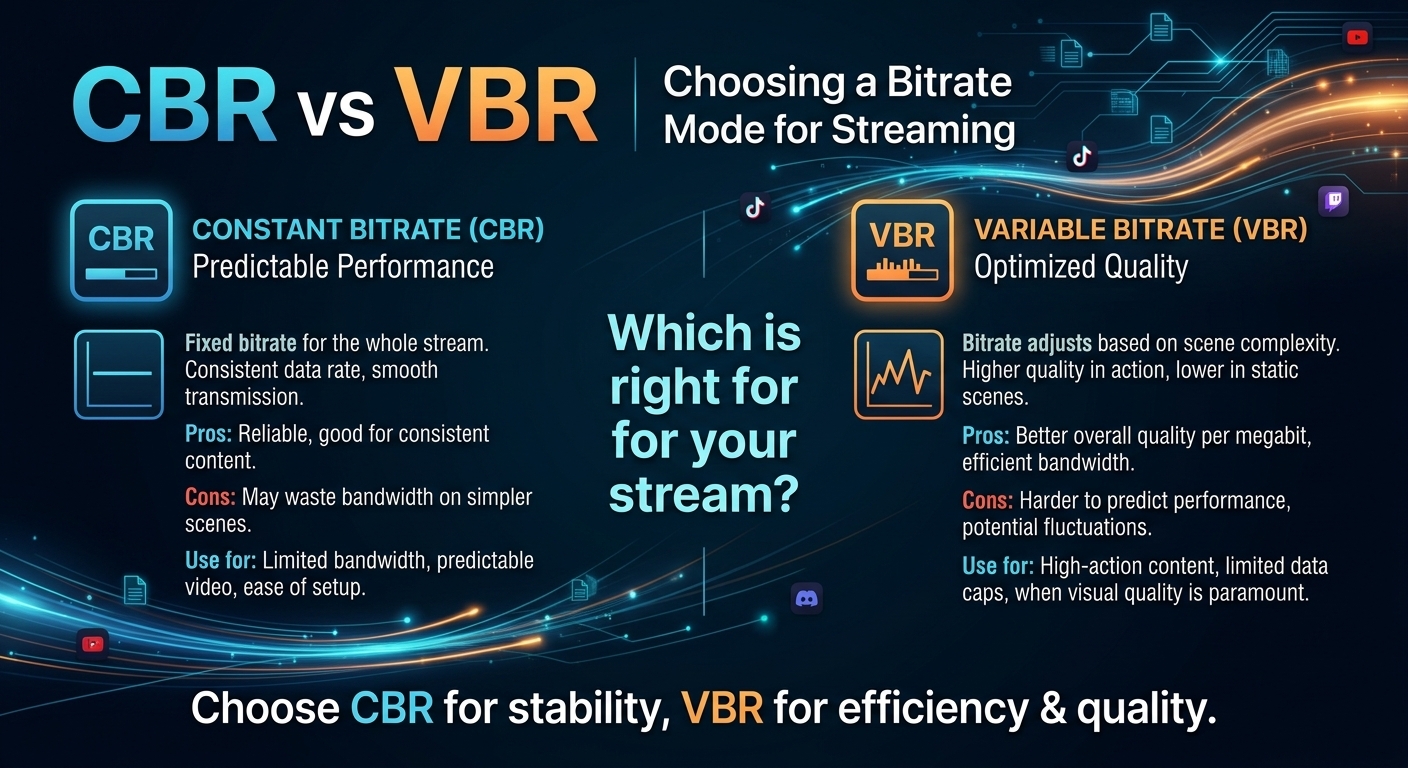
- Adaptive Bitrate Streaming (ABR): Ensures smooth gameplay video streams even on fluctuating connection speeds.
- Parallel Downloads: Splits large update files into concurrent chunks to accelerate delivery speed.
- Instant Purge and Prefetch: Actively updates caches for patches or hotfixes without delay.
All these features improve user experience during peak times, reduce abandon rates, and protect your brand on launch day. But even intelligent tech fails under congestion—unless paired with a scalable, fault-tolerant infrastructure.
Have You Stress Tested Your CDN Infrastructure for a Global Launch?
Many gaming companies still rely on legacy CDN providers that serve general web content. While functional, they often struggle with nuances like Gbps-per-user throughput during high-demand spikes or reducing latency in rural gaming regions. The risk? Lag, downloads that take hours instead of minutes, and ultimately—player frustration.
Why Game Publishers Are Shifting to Purpose-Built CDN Providers
In recent years, the industry has started moving beyond generic CDN providers towards solutions tailored to the needs of software and gaming companies. The increased demand for agility, predictable pricing models, and fast time-to-scale is rewriting CDN priorities. One key player making serious headway in this space is BlazingCDN.
BlazingCDN offers NVMe SSD servers and Anycast routing with built-in failover, a compelling alternative to legacy services. BlazingCDN is especially relevant for gaming companies needing rapid scale, high fault tolerance, and more cost-effective pricing. With pricing starting at just $5 per TB (as of October 2026), it is far more accessible than Amazon CloudFront list rates.
What makes it game-launch ready?
- Large File Delivery: Game patches and installers up to 50 GB per file are served from NVMe SSD servers with a 96%+ average cache hit ratio.
- API-First Architecture: Helps game developers integrate CDN logic directly into patch clients and launchers.
- Live HLS/DASH Delivery: Serves launch-day streams for players and content creators alongside patch traffic.
Read more on how BlazingCDN delivers game builds, patches and launch streams here: BlazingCDN Game Solutions
Streaming CDN Impact Across the Game Launch Lifecycle
CDNs aren’t just helpful on launch day. They’re essential across the lifecycle of a game:
| Phase |
Challenges |
CDN Benefits |
| Pre-Launch Testing |
Limited server staging, region-specific patch replication |
CDN testing zones enable A/B caching and load simulation |
| Midnight Launch |
Traffic Explosions, 4K streaming pressure, API surges |
Traffic queueing, auto-scaling edge networks, resilient failover |
| Post-Launch & Patching |
Hotfix delivery delays, inconsistent update sizes |
Version-aware caching and instant purge for critical fixes |
| Live Service Events |
Peak concurrent usage, in-game video trailers, seasonal traffic |
Streaming orchestration for synchronized asset releases |
Does your current content delivery infrastructure actively support every phase—or only part of the journey?
Key Metrics to Monitor During Game Launches
Streaming CDNs produce a treasure trove of actionable insights—if tracked properly. Here are metrics game companies should be monitoring in real-time:
- Peak Concurrent Players (PCP): How well are file downloads/load balancing holding up under strain?
- Throughput per Session: Are download speeds matching expectations across devices and regions?
- Origin Offload Ratio: How efficient is the CDN in shielding core infrastructure?
- Segment Delivery Time: Are cinematic intros and UI rendering instantly visible?
BlazingCDN’s real-time statistics and Prometheus metrics show CDN behavior and performance, so DevOps and product teams can fine-tune delivery at scale. The REST API lets you script purges and configuration changes from your own tooling, for example per market during a staged patch rollout.
Still using manual patch QA pipelines?
Integrate CDN feedback loops directly into your CI/CD pipeline to automate cache-busting, hotfix deployment, and telemetry monetization. Forward-thinking developers already consider CDN telemetry as vital as gameplay analytics itself.
What About Cost Efficiency at Petabyte Scale?
Game launches often incur spike-driven infrastructure costs. The math is punishing when scaled. That’s why CDN economics must make sense per-player, per-GB delivered, especially in free-to-play or freemium games. Consider this:
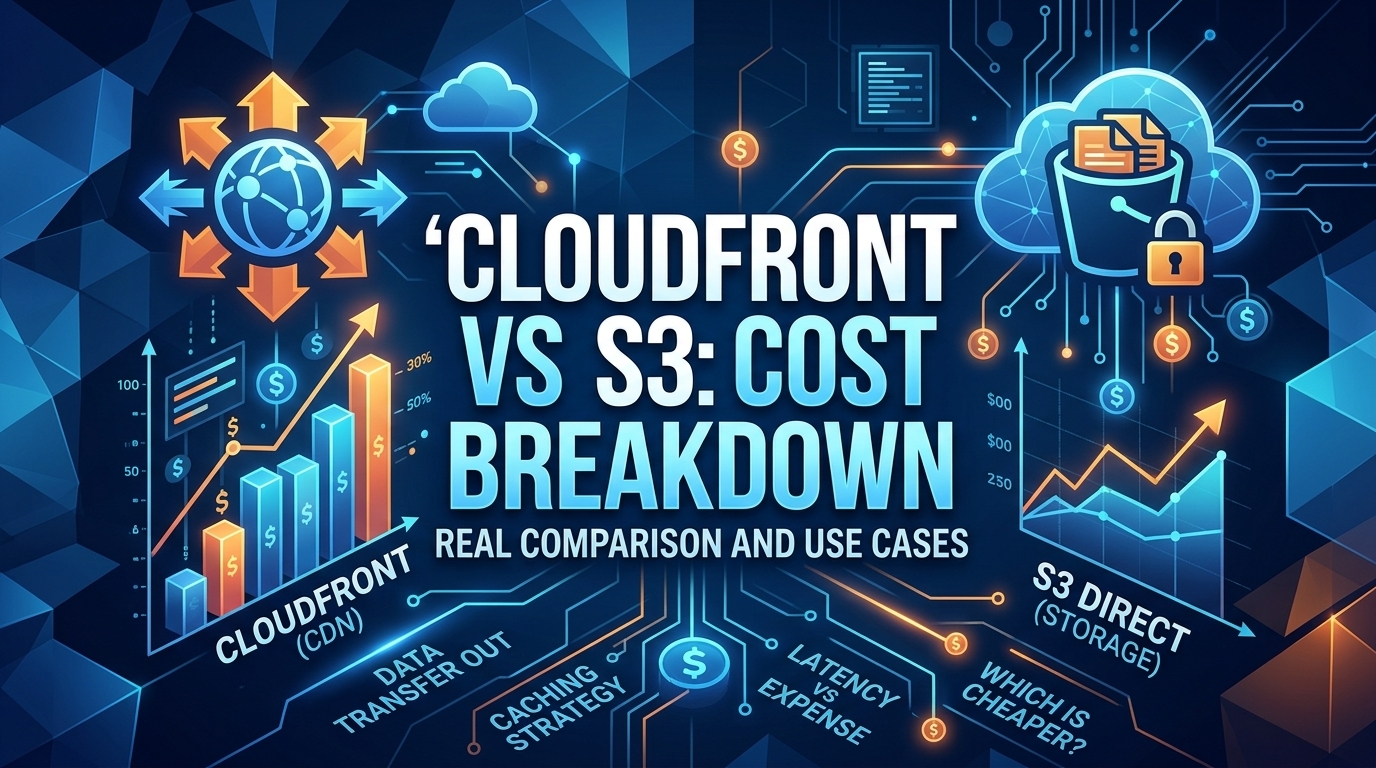
- CloudFront pricing for global traffic can reach up to $0.085/GB
- BlazingCDN pricing starts at just $5 per TB (as of October 2026)
That’s over 90% cost reduction ($5 versus $85 per TB at list rates), a game-changer for publishers dealing with terabytes or petabytes of traffic. What’s more, BlazingCDN includes Anycast routing with built-in failover, origin shield, purge and a REST API in the price.
Teams evaluating the platform can follow the path of software companies using BlazingCDN: a 14-day testing period on real production traffic, with onboarding that takes about an hour with an engineer.
Is Your Infrastructure Future-Proofed for the Next Launch?
Games keep getting bigger, faster, and more interactive. Tomorrow’s launches will demand even more. AI-driven NPCs, 8K visuals, and VR streaming will set new thresholds—and Streaming CDNs will be on the frontlines. Preparing now means choosing partners that innovate at the pace of your content and your audience.
Before your next global game release, ask yourself:
- Will your CDN stand up to 100 million downloads in 24 hours?
- Can your infrastructure ensure consistent 4K+ streaming with zero lag?
- Is your delivery mechanism as scalable, cost-efficient, and fault-tolerant as it needs to be?
If the answer isn't a confident "yes"—it may be time to explore a better solution.
Ready to boost performance and cut infrastructure costs for your next game launch?
Contact our CDN experts and capitalize on the next evolution of game-ready delivery networks.